


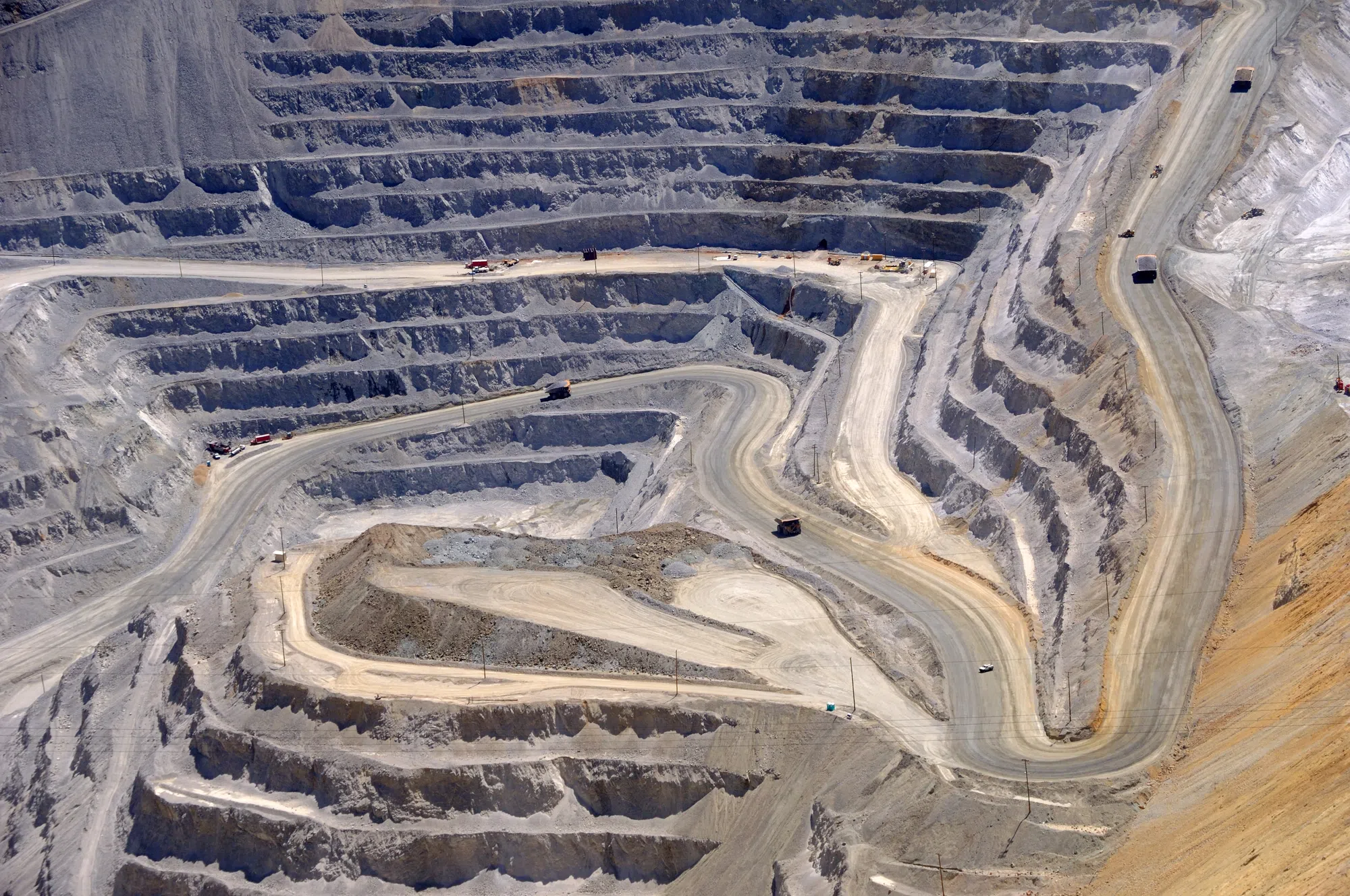
OTTAWA — Canada’s mining industry contributed $111 billion to the national economy in 2024, but industry leaders say growing competitiveness pressures and slow project approvals threaten the country’s ability to meet rising global demand for critical minerals and metals.
A new report released Wednesday by the Mining Association of Canada says the sector accounted for 3.6 per cent of Canada’s gross domestic product last year and directly employed 438,000 people nationwide.
The report says another 272,000 indirect jobs were supported by the industry, representing roughly one in every 31 Canadian jobs.
When mining, quarrying and oil and gas extraction are combined, the broader sector contributed more than five per cent of Canada’s GDP, with Alberta’s oil sands identified as a major component of that activity.
The association says Canada remains a major global producer of minerals and metals, including potash, uranium, niobium, cadmium and palladium, while gold production has climbed high enough to place Canada fourth globally.
Mining exports totalled $152 billion in 2024, representing 21 per cent of all Canadian merchandise exports, according to the report.
The report says gold exports continued rising sharply through 2025 amid “heightened geopolitical uncertainty and strong global demand,” averaging $4.3 billion per month during the first 10 months of the year.
The Mining Association of Canada says production of key commodities including copper, nickel and iron ore has declined over the past decade despite growing global demand and higher commodity prices.
Industry leaders warn Canada risks falling behind international competitors if governments fail to accelerate mine approvals and infrastructure development.
“Canada has the minerals and metals the world needs, strong environmental and labour standards, and significant untapped potential,” Mining Association of Canada president and CEO Pierre Gratton said in a statement.
“The challenge now is execution. Canada must improve the efficiency and predictability of project approvals, strengthen trade-enabling infrastructure, and attract investment if we are to compete globally and meet growing demand from allies for responsibly produced minerals and metals.”
The report also points to federal tax credits, infrastructure spending and strategic investment initiatives announced in Budget 2025 as measures intended to strengthen the mining sector and support critical mineral supply chains tied to defence, semiconductors and clean technologies.
The association says further reforms are still needed to reduce duplication in federal and provincial permitting processes while maintaining environmental protections and respecting Indigenous rights.


Comments