


jewhyte / Depositphotos.com
EDMONTON — The Province of Alberta has scored a major legal victory in its fight against Bill C-69, the so-called “no more pipelines bill” passed by the former Trudeau government in 2019.
Bill C-69 received royal assent on June 21, 2019, creating the federal Impact Assessment Act and Canadian Energy Regulator Act.
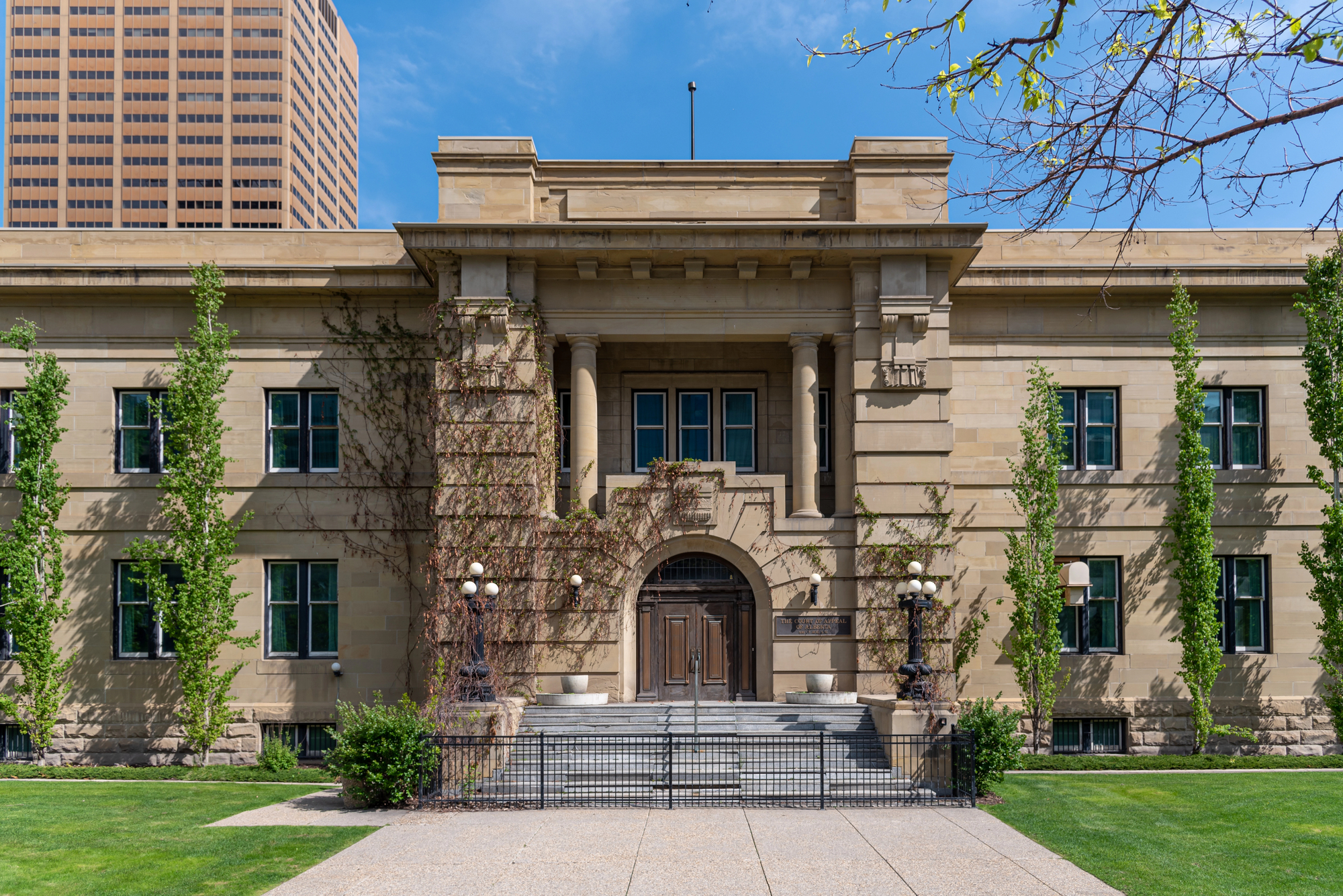
The Alberta Court of Appeal ruled Thursday that the amended Impact Assessment Act remains unconstitutional, handing the province another victory in its long-running jurisdictional battle with Ottawa over major resource projects.
The ruling comes three years after the Supreme Court of Canada concluded several parts of the original federal impact assessment regime were unconstitutional.
Ottawa subsequently amended the legislation, but Alberta referred the revised act back to the Court of Appeal in November 2024, arguing the changes did not go far enough.
Since then, the Carney government has also scaled back some regulatory requirements affecting Alberta’s energy industry.
In-situ oilsands extraction projects have been removed from the federal project list, returning primary responsibility for their assessment to the provincial process.
Ottawa has also designated the proposed Pacific Link oil pipeline to the West Coast as a project of national interest, advancing a project expected to carry about one million barrels per day of Alberta oil to Asian markets.
Despite those changes, Alberta maintains the remaining provisions of the Impact Assessment Act continue to intrude on provincial jurisdiction.
Premier Danielle Smith and Justice Minister Mickey Amery welcomed the latest ruling and called on Ottawa to accept the decision.
“We are pleased the Alberta Court of Appeal has once again ruled that the Impact Assessment Act remains unconstitutional,” they said in a joint statement.
The province says its broader fight goes beyond individual projects or approval processes and centres on Alberta’s authority over the development of its natural resources.
“Our focus remains on Alberta’s future as a world-leading energy superpower and advocating for our jurisdiction over our natural resources to be respected,” Smith and Amery said.
The province is calling on the federal government to work with Alberta to further revise the law and remove provisions it says continue to interfere with provincial resource development.
“Alberta is calling on the federal government to accept the court decision and work with Alberta to repair this flawed law so it no longer undermines Canada’s ability to build and grow our economy,” the statement said.


Comments