


spflaum / Depositphotos.com
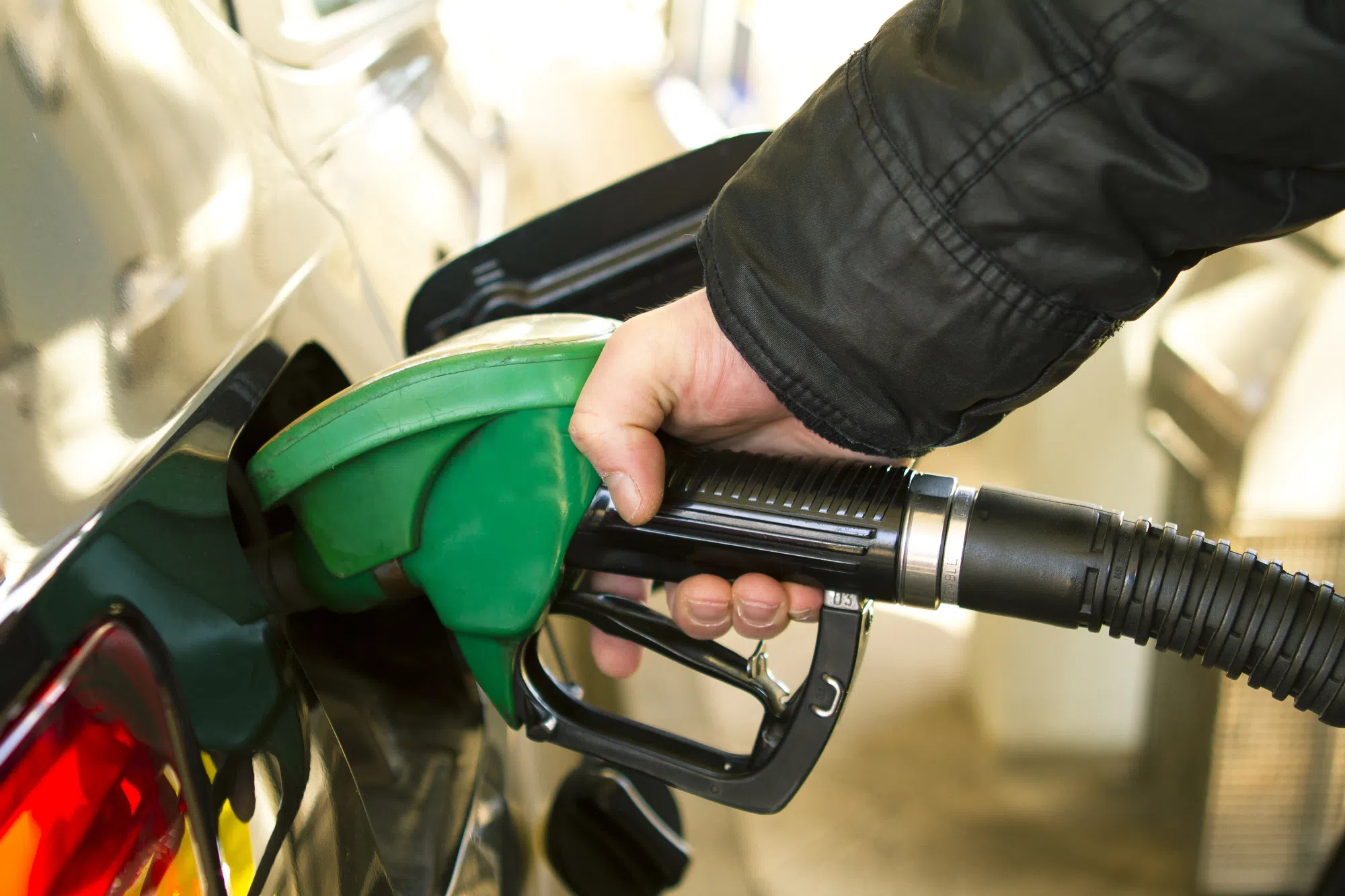
OTTAWA — The federal government is extending its suspension of the fuel excise tax through the end of January, saying Canadians continue to face higher costs amid global conflicts and the trade dispute with the United States.
Finance Minister François-Philippe Champagne announced Wednesday the tax will remain suspended through Jan. 31, 2027.
The government will then restore half of the regular excise tax between Feb. 1 and March 31 before returning to the full rate on April 1.
The federal fuel excise tax was suspended April 20, saving motorists 10 cents per litre on gasoline and four cents per litre on diesel fuel. The suspension also applies to aviation fuels.
“With many families still feeling the pressure of higher costs, we’re extending the federal fuel tax suspension to keep more money in Canadians’ pockets,” Champagne said.
The government estimates extending the measure will cost an additional $2.9 billion, bringing estimated fuel tax relief to $5.3 billion for the 2026-27 fiscal year.
During the two-month transition beginning Feb. 1, the excise tax will be five cents per litre on gasoline and unleaded aviation gasoline, 5.5 cents on leaded aviation gasoline and two cents on diesel and aviation fuel.
Full rates of 10 cents per litre on gasoline, 11 cents on leaded aviation gasoline and four cents on diesel and aviation fuel are scheduled to return April 1.
Energy and Natural Resources Minister Tim Hodgson linked the extension to international pressures affecting Canadian households.
“Canadians should not have to pay for what they did not cause, whether it is disruption in the Middle East or an unjustified trade war,” Hodgson said.
Ottawa says gasoline prices fell by 11 cents per litre on the first day of the original suspension in April.
The government says the measure is also intended to reduce costs for businesses that depend heavily on fuel, including trucking, agriculture, construction, food and delivery companies.
The extension is part of a broader package of affordability measures that includes income tax reductions, the elimination of the consumer carbon price and the Canada Groceries and Essentials Benefit.


Comments