


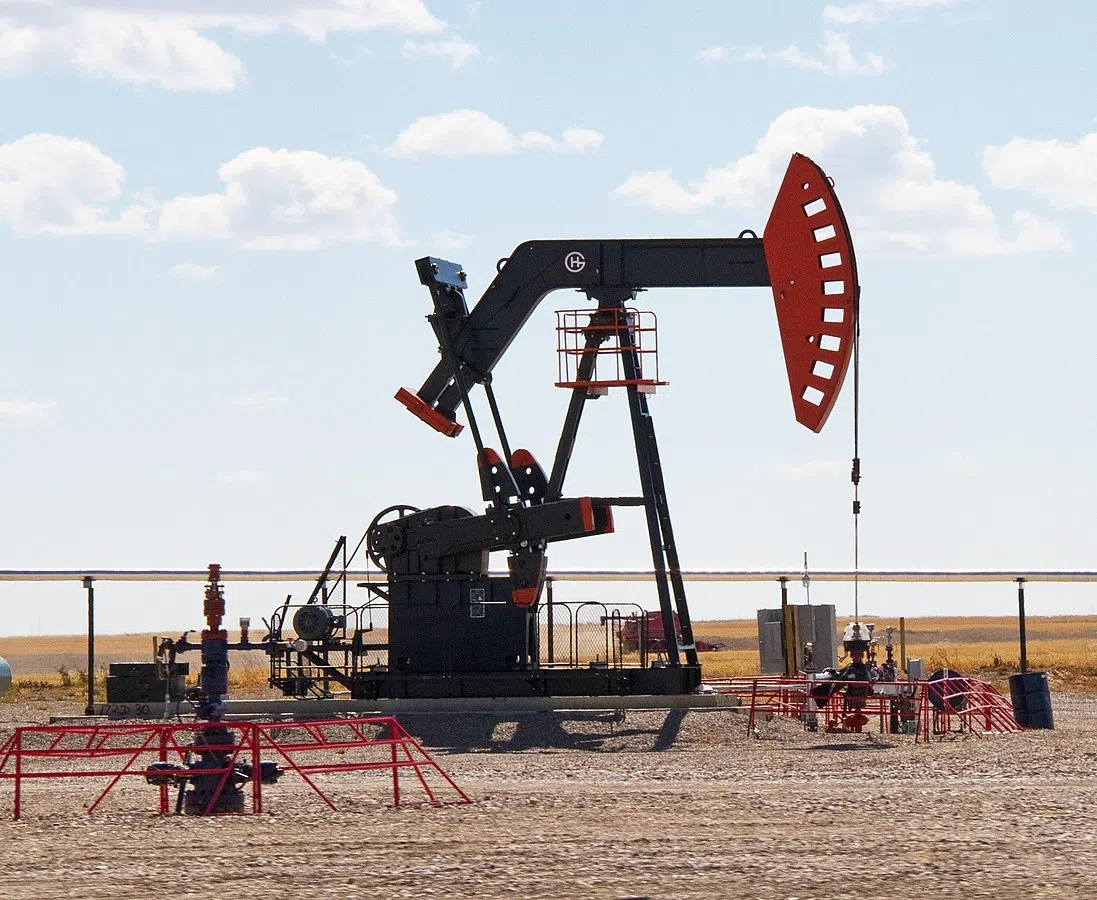
U.S. oil growth slows as prices squeeze producers, Goldman warns
U.S. crude oil production is entering a period of stagnation, with analysts warning that the boom of recent years may be over. Goldman Sachs says the primary engine of American output growth, the Permian basin, is maturing, and lower oil prices are forcing drillers to scale back despite political calls for energy independence.
The investment bank expects U.S. oil production to decline this year and next, with analysts pointing to West Texas Intermediate prices in the mid-$60 range as a key factor. While that price level is seen as manageable for consumers, it is only marginally profitable for many producers. Shale drillers, known for their responsiveness to price shifts, are already pulling back amid tighter margins.
Commercial crude inventories in the United States fell by 3.9 million barrels in the week ending July 11, according to the U.S. Energy Information Administration. Stockpiles now sit at 422.2 million barrels, roughly 8 percent below the five-year seasonal average. Despite those tight inventories, analysts at Goldman are keeping a close eye on a global surplus forming in the background. While the glut has yet to impact pricing hubs, it could eventually weigh on prices once it reaches the market.
After years of rapid growth in U.S. oil output, especially from shale, the sector appears to be entering a plateau. Unless prices rise meaningfully, analysts caution that production is unlikely to increase in the near term, even as geopolitical risks such as Russian and Iranian supply disruptions support a modest price recovery.


Comments